

Hospitality Interior Design: How to Create Memorable Guest Experiences in Singapore
Space Planning
 April 04, 2026
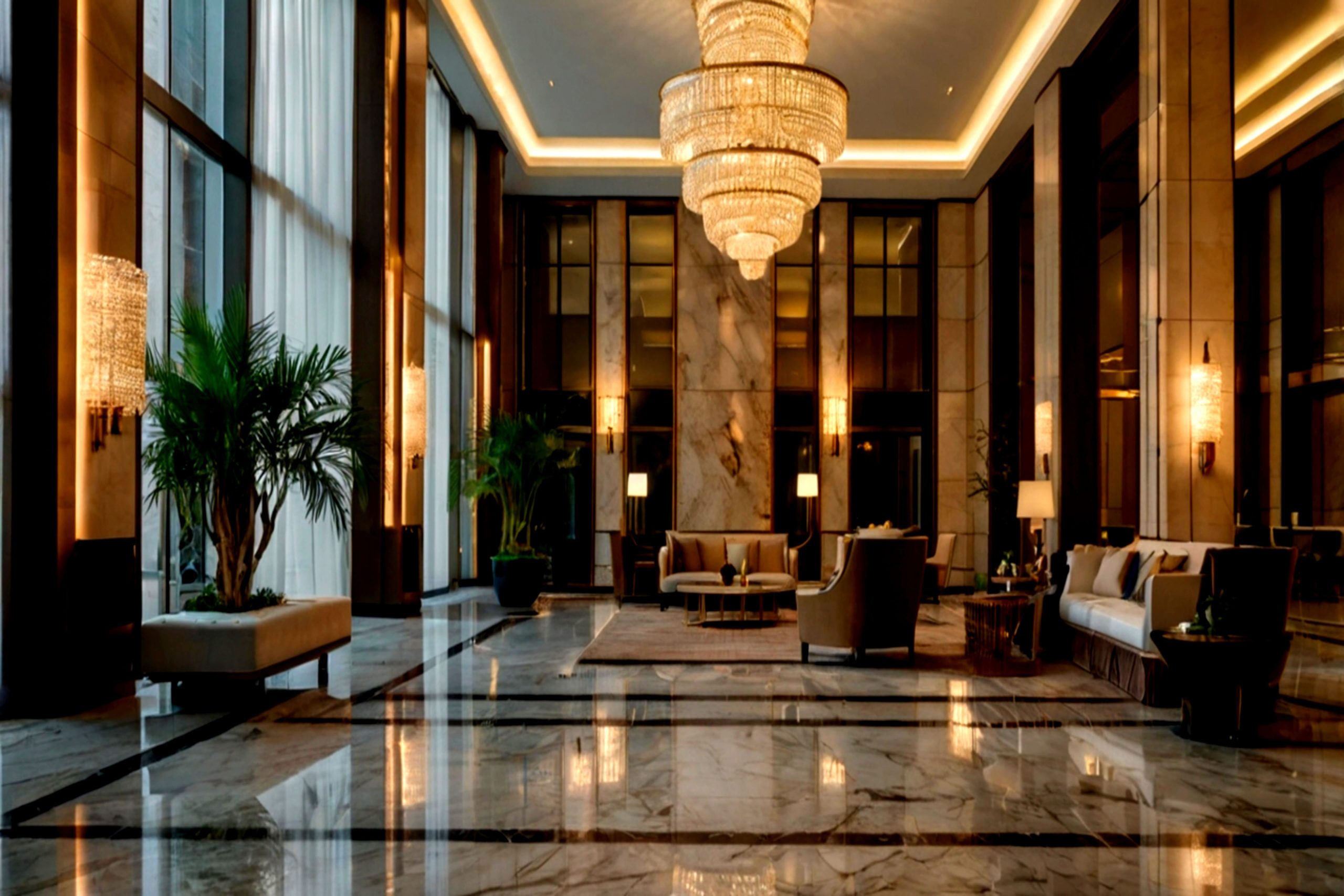
In hospitality, first impressions are everything. Whether it’s a hotel lobby, a café, or a restaurant, the moment a guest steps into a space often shapes how they perceive the brand. This is where hospitality interior design becomes a critical factor, not just in aesthetics, but in influencing guest satisfaction, online reviews, and repeat visits.
In Singapore’s competitive tourism and F&B landscape, businesses are expected to deliver experiences that are both visually compelling and operationally efficient. Many turn to experienced hospitality interior design firms in Singapore to achieve this balance, ensuring their spaces meet international standards while remaining relevant to local audiences.
What Makes Effective Hospitality Interior Design Stand Out in Singapore?
Great hospitality interior design goes beyond how a space looks, it defines how guests feel and interact within it.
Key factors that set successful spaces apart include:
- Balancing aesthetics and functionality: A visually appealing space must also support daily operations, from service efficiency to maintenance
- Creating immersive brand experiences: Every design element, from materials to lighting, should reflect the brand’s identity and story
- Optimising space for smooth guest flow: Layouts must allow guests and staff to move comfortably without congestion or confusion
- Designing for comfort and ambience: The right combination of lighting, textures, and acoustics creates an environment where guests want to stay longer
Experienced hospitality interior design firms in Singapore understand how to bring these elements together in a cohesive and practical way.
Key Elements of Successful Hospitality Interior Design Projects
-
Space Planning and Guest Flow in Hospitality Interior Design
Effective space planning ensures that guests can navigate the environment comfortably while operations run smoothly behind the scenes.
- Lobby layouts: Creating welcoming, intuitive entry points that guide guests naturally through the space
- Restaurant seating optimisation: Balancing capacity with comfort, ensuring tables are well-spaced without sacrificing efficiency
- Clear circulation paths: Designing pathways that minimise congestion for both guests and staff
Thoughtful hospitality interior design ensures that every movement within the space feels seamless and intentional.
-
Atmosphere and Sensory Experience in Hospitality Interior Design
Hospitality spaces are experienced through more than just sight, they engage multiple senses.
- Lighting design: Layered lighting helps create different moods throughout the day, from bright and welcoming to warm and intimate
- Material selection: Textures and finishes contribute to both aesthetics and tactile experience, shaping how guests perceive quality
- Acoustics and scent integration: Managing noise levels and introducing subtle scents enhances comfort and creates a memorable environment
These sensory elements are often what differentiate an average space from one that guests remember.
-
Branding and Storytelling Through Hospitality Interior Design
Design plays a key role in expressing a brand’s identity.
- Signature design elements: Unique features that make the space instantly recognisable
- Instagram-worthy spaces: Visually engaging areas that encourage guests to share their experience online
- Local and cultural influence in Singapore: Incorporating subtle local elements can make the space feel more authentic and relatable
Many hospitality interior design firms in Singapore focus on storytelling through design, ensuring the space feels cohesive and meaningful rather than generic.
Why Businesses Work with Hospitality Interior Design Firms in Singapore
Designing hospitality spaces requires a specialised understanding of both guest experience and operational demands.
Businesses often work with hospitality interior design firms in Singapore because they offer:
- Relevant industry experience: Familiarity with hotels, cafés, restaurants, and resorts allows for more practical and effective design decisions
- Knowledge of local regulations and safety standards: Ensuring compliance with Singapore’s building codes and operational requirements
- Strong project management and coordination: Handling timelines, contractors, and on-site execution efficiently
- End-to-end delivery capabilities: From concept development to final completion, reducing the need to manage multiple parties
With the right hospitality interior design, businesses can focus on delivering great service while the design supports operations behind the scenes.
Latest Hospitality Interior Design Trends in Singapore’s Hotel and F&B Industry
Hospitality design continues to evolve alongside guest expectations. Some of the most relevant trends today include:
Sustainable and Eco-Conscious Design
Sustainability is becoming a key priority in hospitality spaces across Singapore. Using environmentally friendly materials and energy-efficient systems not only reduces operational costs but also appeals to increasingly conscious guests. It reflects a brand that is forward-thinking and responsible.
Biophilic Concepts and Natural Materials
Biophilic design introduces natural elements into interior spaces to create a more calming and inviting atmosphere. Incorporating greenery, natural textures, and organic materials helps soften the environment and improve overall guest comfort. This approach is especially effective in urban settings where access to nature is limited.
Boutique and Personalised Guest Experiences
There is a growing shift away from generic interiors towards more curated, story-driven spaces. Guests today are drawn to unique environments that feel intentional and memorable. Designing with a clear identity helps create stronger emotional connections and encourages repeat visits.
Technology Integration
Technology is playing a larger role in shaping modern hospitality experiences. Features such as self-check-in systems and smart lighting improve efficiency while enhancing convenience for guests. When integrated thoughtfully, these elements support operations without disrupting the overall design.
These trends are not just aesthetic choices, they influence guest satisfaction, online reviews, and repeat bookings, reinforcing the value of thoughtful hospitality interior design.
Investing in Professional Hospitality Interior Design for Long-Term Business Growth
Strong hospitality interior design is a long-term investment that shapes how guests experience your brand. A well-designed space encourages positive reviews, builds customer loyalty, and differentiates your business in a crowded market.
Partnering with experienced hospitality interior design firms in Singapore also ensures that projects are executed smoothly, with careful attention to both design intent and operational requirements.
P&A Link works closely with hospitality businesses to create spaces that are not only visually appealing but also practical and aligned with real-world operations. From concept development to final delivery, the focus is always on achieving a balanced, well-executed result.
If you’re considering how your space could better reflect your brand and enhance guest experience, reach out to P&A Link for a consultation and explore how thoughtful design can elevate your hospitality concept.
Frequently Asked Questions About Hospitality Interior Design
1. What is hospitality interior design?
Hospitality interior design focuses on designing hotels, restaurants, cafés, resorts, and other guest-focused spaces to enhance comfort, functionality, and overall brand experience.
2. Why is hospitality interior design important for hotels and restaurants?
Well-planned hospitality interior design improves guest satisfaction, encourages repeat visits, and strengthens brand identity.
3. How do hospitality interior design firms Singapore manage projects?
Hospitality interior design firms Singapore typically handle concept development, space planning, material selection, contractor coordination, and project supervision to ensure smooth execution.
4. How long does a hospitality interior design project take?
Project timelines vary depending on the size and complexity of the space, but typically range from several weeks to a few months.
5. What trends are shaping hospitality interior design in Singapore?
Current trends include sustainable materials, biophilic elements, personalised boutique concepts, and smart technology integration.