

Classroom Interior Design: Creating Functional and Inspiring Learning Spaces
Design Styles
 April 06, 2026
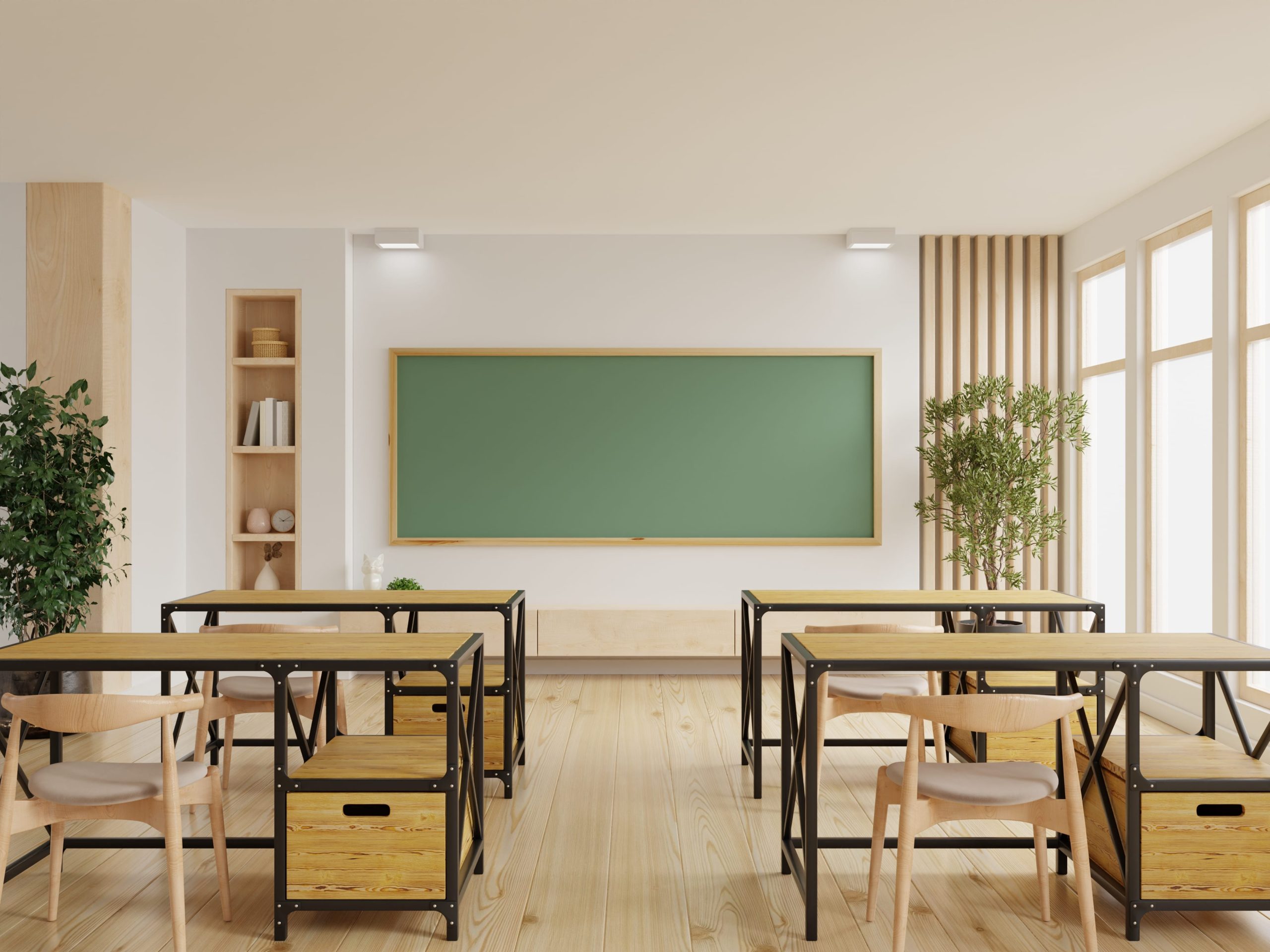
Learning environments play a direct role in how students engage, absorb information, and perform academically. In Singapore, where education standards are high and expectations continue to evolve, schools are rethinking how classrooms are designed to support different learning styles.
With a shift towards collaborative learning and increased use of technology, traditional layouts are no longer always effective. Thoughtful school classroom interior design helps create spaces that support focus, encourage interaction, and promote overall well-being, making the classroom a more dynamic and effective place to learn.
The Importance of School Classroom Interior Design for Student Development
The way a classroom is designed has a meaningful impact on how students behave, interact, and learn.
- Layout and collaboration: A well-planned layout encourages group interaction while still allowing space for individual focus, making lessons more engaging and participatory
- Lighting and ventilation: Good natural lighting and proper airflow improve concentration, reduce fatigue, and create a more comfortable learning environment
- Colour psychology: Colours can influence mood and behaviour, with calming tones supporting focus and brighter accents stimulating creativity
- Safety and comfort: Proper spacing, safe materials, and ergonomic furniture ensure that students feel secure and physically supported
Effective classroom interior design goes beyond aesthetics, it shapes how students experience their learning environment on a daily basis. In well-executed school classroom interior design, these elements come together to support both academic performance and overall development.
Key Elements of Effective Classroom Interior Design
-
Flexible Layout Planning in Classroom Interior Design
Modern classrooms need to support different teaching styles and learning activities.
- Modular desks and movable furniture: Allowing teachers to easily reconfigure the space for different lesson formats
- Group learning zones: Creating areas where students can collaborate on projects and discussions
- Teacher visibility and accessibility: Ensuring clear sightlines so educators can engage with all students effectively
Flexible classroom interior design allows the space to adapt as teaching methods evolve.
-
Ergonomics and Comfort in School Classroom Interior Design
Comfort plays an important role in maintaining focus throughout the school day.
- Proper seating support: Chairs that promote good posture help reduce discomfort during long periods of sitting
- Age-appropriate desk height: Ensuring furniture suits different age groups to support healthy development
- Adequate lighting and air circulation: Creating a well-lit and ventilated environment that supports concentration
Well-considered school classroom interior design helps create a space where students can learn without unnecessary physical distractions.
-
Visual Stimulation and Branding in Classroom Interior Design
A classroom should be visually engaging without becoming overwhelming.
- Educational wall graphics: Reinforcing learning through visual aids and informative displays
- Interactive boards: Supporting more engaging and technology-driven teaching methods
- Colour schemes that encourage focus: Using balanced tones that promote calmness while maintaining interest
Thoughtful classroom interior design ensures that visual elements support learning rather than distract from it.
Modern Trends in Classroom Interior Design for Schools
Classroom design continues to evolve alongside educational needs and technological advancements.
Technology-Integrated Learning Spaces
Classrooms today are increasingly designed to support digital learning. Tools such as smart boards, interactive displays, and integrated AV systems allow lessons to be more engaging and adaptable to different teaching styles. This shift reflects how education in Singapore is evolving towards more interactive and tech-enabled experiences.
Sustainable and Eco-Friendly Materials
Sustainability is becoming a growing priority in school environments. Many institutions are choosing materials that are durable, low in emissions, and safe for daily use by students. Beyond environmental benefits, these choices also contribute to healthier indoor air quality and long-term cost efficiency.
Biophilic Elements in School Classroom Interior Design
Incorporating natural elements into classrooms helps create a more calming and focused learning environment. Features such as natural light, indoor plants, and organic materials can reduce stress and improve overall well-being. In dense urban settings like Singapore, this approach helps bring a sense of balance into indoor spaces.
Multi-Functional Classrooms for Hybrid Learning
Modern classrooms are being designed with flexibility in mind. Spaces need to support both traditional face-to-face lessons and digital or hybrid learning setups. This allows schools to adapt quickly to different teaching formats while making better use of available space.
These trends reflect a broader shift towards more adaptable and student-centred classroom interior design.
How to Plan a Successful School Classroom Interior Design Project
Planning a classroom design project requires both strategic thinking and practical consideration.
- Understanding student age group needs: Different age groups require different layouts, furniture, and design approaches to support their development
- Budget planning and resource allocation: Setting clear priorities helps ensure that key elements are not compromised
- Compliance with school safety standards: Adhering to local regulations ensures the space is safe and suitable for students
- Working with experienced designers: Professionals with experience in school classroom interior design can guide the process and help avoid common pitfalls
A well-planned classroom interior design project balances creativity with functionality, ensuring long-term usability.
Why Investing in Thoughtful Classroom Interior Design Improves Learning Outcomes
Investing in well-planned classroom interior design has a direct impact on how students learn and interact. Spaces that are comfortable, flexible, and thoughtfully designed encourage better focus, collaboration, and engagement.
Strategic school classroom interior design also supports long-term academic success by creating environments where students feel motivated and supported. Over time, this contributes to a more positive and effective learning experience for both students and educators.
P&A Link works with educational institutions to design and deliver practical, well-considered learning environments that align with modern teaching needs. From layout planning to execution, the focus is always on creating spaces that support both learning and day-to-day operations.
If you’re exploring ways to improve your learning spaces, consider speaking with P&A Link to see how a well-designed classroom can better support your students and educators.
Frequently Asked Questions
1. What is classroom interior design?
Classroom interior design focuses on planning layouts, furniture, lighting, and materials to create effective and comfortable learning environments.
2. Why is school classroom interior design important?
School classroom interior design impacts student engagement, concentration, collaboration, and overall academic performance.
3. What colours are best for classroom interior design?
Soft blues, greens, and neutral tones are commonly used to promote calmness and focus, while accent colours can help stimulate creativity.
4. How can classroom interior design support collaborative learning?
Flexible seating arrangements, group tables, and open layouts allow students to interact more easily and participate in discussions.
5. What factors should schools consider before starting a classroom interior design project?
Schools should consider student age group, available space, safety standards, budget, and long-term flexibility needs.