Sustainable Design: Eco-Friendly Materials
Sustainability
 December 18, 2025
 David Kim
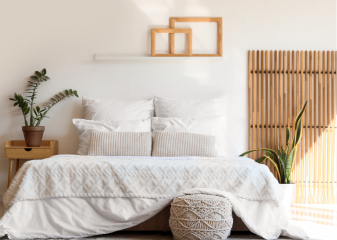
As we step into 2025, the world of interior design continues to evolve, blending innovation with sustainability, comfort with aesthetics, and technology with tradition. This year promises to bring exciting new trends that will transform the way we think about and design our living and working spaces.
Biophilic Design Takes Center Stage
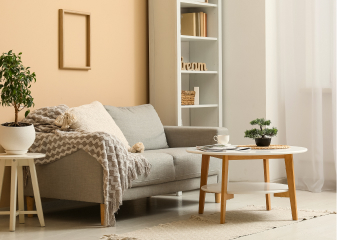
The connection between nature and interior spaces has never been stronger. Biophilic design, which incorporates natural elements into built environments, is becoming a cornerstone of modern interior design. From living walls to natural light optimization, designers are finding innovative ways to bring the outdoors in.
This trend goes beyond simply adding plants to a room. It encompasses the use of natural materials like wood and stone, water features, natural color palettes, and organic shapes that mimic patterns found in nature. The benefits are both aesthetic and psychological, creating spaces that promote wellbeing and productivity.
Sustainable and Eco-Friendly Materials
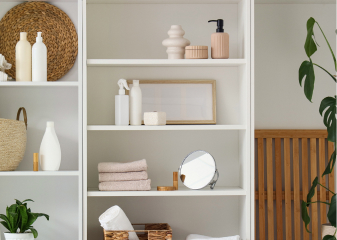
Sustainability is no longer just a buzzword—it’s a necessity. In 2025, we’re seeing a significant shift towards eco-friendly materials and sustainable design practices. Recycled materials, reclaimed wood, and low-VOC paints are becoming standard choices for environmentally conscious designers and homeowners.
Bold Color Statements
While neutrals continue to have their place, 2025 is the year of bold, confident color choices. Rich jewel tones, vibrant earth colors, and unexpected color combinations are making waves in the design world. These bold choices are being used not just as accents, but as defining elements of a space’s character.
Multi-Functional Spaces
The way we use our spaces has fundamentally changed. In 2025, the trend towards multi-functional spaces continues to grow. Home offices that transform into guest rooms, dining areas that double as workspaces, and furniture that serves multiple purposes are all key elements of this trend. Flexibility and adaptability are paramount in creating spaces that can evolve with our changing needs.