

Bubble Tea Shop Interior Design in Singapore: 2026 Trends & Brand Inspirations
Design Trends
 September 24, 2026
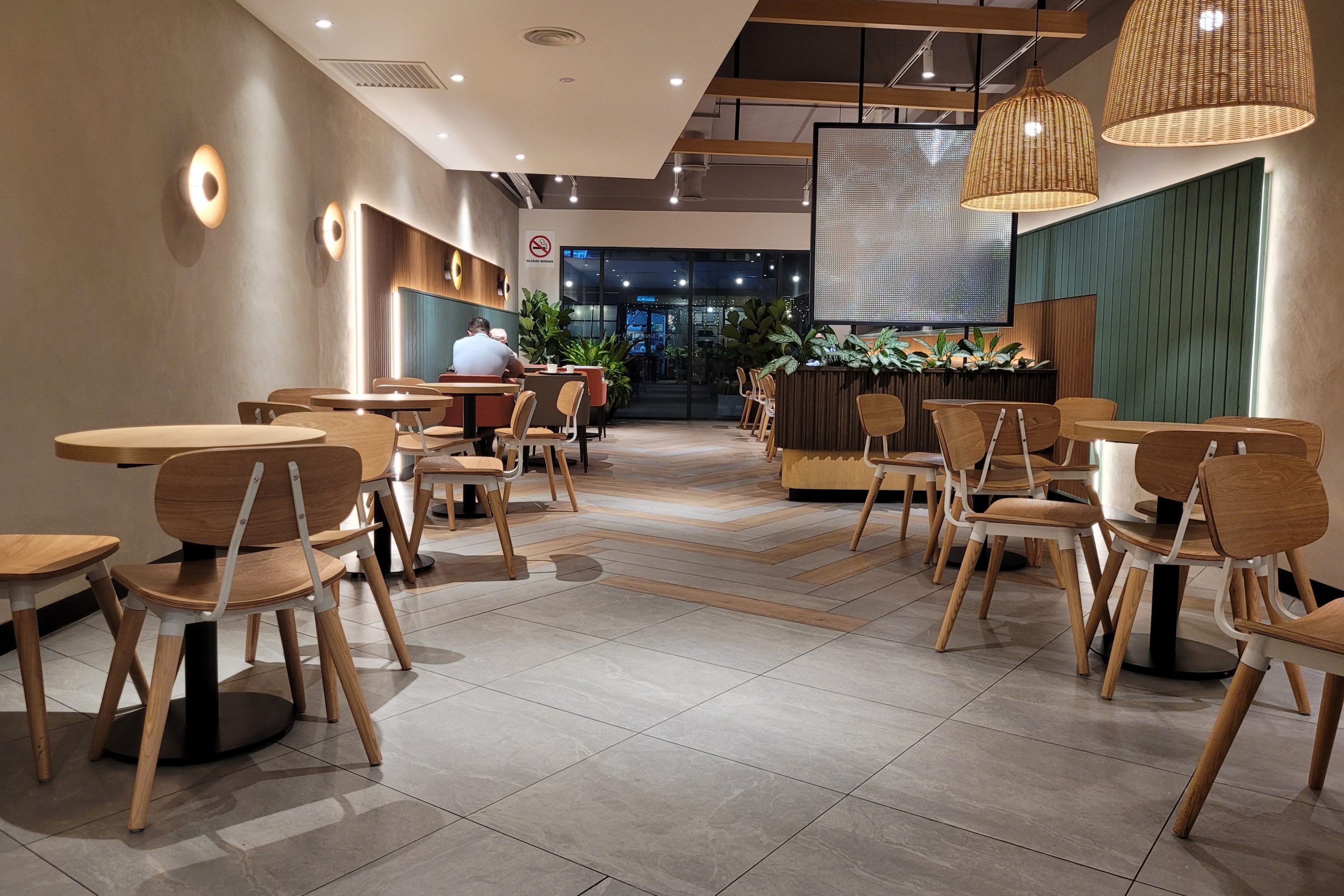
Singapore’s bubble tea scene moves quickly. New flavours, brands and concepts appear all the time, so your shop needs to offer more than a good drink. Your interior can help customers recognise your brand, enjoy their visit and remember your store after they leave.
Good bubble tea shop interior design brings branding, customer flow and daily operations together. You need a space that fits your concept, gives your staff enough room to work, and gives customers a clear path from ordering to collection.
As we look at bubble tea shop design trends for 2026, you’ll see a stronger focus on brand identity, practical layouts, natural materials, memorable details, and flexible spaces. These ideas can help you create a shop that feels current without becoming outdated when the next trend arrives.
What Will Define Bubble Tea Shop Interior Design in 2026?
In 2026, bubble tea shops need to do more with their space. A small outlet may need to support takeaway orders, dine-in customers, staff movement, drink preparation, storage, and brand displays at the same time.
Start your design with how your customers and staff use the shop. From there, you can build the visual identity around that plan.
Several priorities will shape bubble tea shop interiors in Singapore:
- Clear brand identity: Your colours, materials, signage and furniture should tell a consistent brand story.
- Efficient layouts: Customers should know where to order, wait and collect their drinks.
- Memorable details: A distinctive wall, counter, light fitting or brand feature can make your shop easier to remember.
- Comfortable materials: Wood, stone, textured finishes and greenery can make a busy retail space feel warmer.
- Flexible design: Your shop should have room to adapt as your menu, operations, or customer needs change.
- Practical finishes: Materials need to handle daily use, spills, cleaning, and regular foot traffic.
The best concepts don’t treat these elements as separate decisions. Your design should make them work together.
Bubble Tea Shop Design Trends to Watch in 2026 and Beyond
Stronger and More Immersive Brand Identities
Your interior should show customers what your brand stands for. Colours, counters, seating, signage and lighting can all work together to create a recognisable identity.
You don’t need branding on every surface. Choose a few strong elements and repeat them with purpose so customers can recognise your brand from the space alone.
Modern Interpretations of Tea Culture
Your shop can draw from tea culture without looking like a traditional tea house. Timber, stone, ceramics, botanical details and traditional patterns can bring a sense of heritage into a modern setting.
Amacha, for example, draws on Traditional Chinese Medicine and traditional recipes while creating drinks for modern tastes. You can take a similar approach by finding contemporary ways to express the parts of your tea story that matter most.
Takeaway-First and Efficient Store Layouts
Many bubble tea customers want their drinks quickly. Your layout needs to support that behaviour without making dine-in customers feel like an afterthought. Start by mapping the customer journey. Ask yourself:
- Where do customers enter?
- Can they see the menu easily?
- Where do they place their orders?
- Where do they wait?
- How do they collect their drinks?
- Can they move through the space without blocking other customers?
Your staff also needs a clear route. The preparation counter, equipment, storage, and collection area should support the way your team works throughout the day. A good layout can reduce unnecessary movement and make a small shop feel easier to navigate.
Instagrammable Design Features
A memorable interior can give customers another reason to talk about your shop. You don’t need a photo studio. One or two distinctive features, such as a sculptural sign, illustrated wall, striking counter or brand character, can make an impact.
Molly Tea, for example, uses its soft pink palette, floral details and Molly mascot to create a recognisable visual identity. Your shop can take the same approach by creating memorable features while staying true to your brand.
Warmer and More Natural Materials
Timber, stone, textured surfaces, plants and softer finishes can make a shop feel more welcoming while balancing harder materials such as glass, metal and tile.
You don’t need to use them all. Choose materials that suit your brand and use them consistently. Timber and stone can create a refined feel, while natural materials can also work as a backdrop for brighter colours and graphics.
Statement and Layered Lighting
Lighting shapes the customer experience from the shopfront to the counter. Use it to make your signage easy to see and highlight key areas such as your counter, products, seating and brand features.
Combine general lighting with focused lights to add depth to a small shop. Consider your drinks and packaging, too, as good lighting can improve how colours and presentation appear.
Flexible and Adaptable Interiors
Your business may change after you open. New menu items, self-ordering systems or seating changes can all affect how you use the space.
Movable furniture, modular displays, adjustable shelving and accessible service areas can make future changes easier. Build a strong brand identity, but leave enough flexibility for your business to grow.
More Conscious Material Choices
Your materials need to handle daily F&B use, from regular cleaning and spills to heavy foot traffic. Consider durability, maintenance, and how easily you can repair or replace individual elements.
A material that looks good but needs frequent replacement may not suit a busy shop. Choose finishes that support your design while staying practical over time.
Bubble Tea Interior Design Inspiration from Leading Tea Brands
You can learn a lot from established tea brands, especially when you look beyond their colours and logos. The examples below show different ways brands can connect their drinks, identity, and physical spaces.
ChaPanda: Contemporary Tea Shop Design Inspiration
ChaPanda entered Singapore with outlets at SCAPE and Northpoint City, bringing a large international tea brand to the local market. Its Singapore launch highlighted a store concept designed for both quick takeaway visits and more relaxed meet-ups, with contemporary interiors and playful panda elements.
For anyone researching ChaPanda interior design Singapore, the useful takeaway isn’t simply to copy the panda imagery. Look at how a strong brand character can become part of the physical customer experience.
A recognisable mascot can work across signage, walls, packaging and merchandise. When you repeat that identity thoughtfully, customers can connect the physical store with the drinks and branding they already know.
Amacha: Translating Brand Identity into Interior Design
Amacha takes a different route. Its brand centres on TCM-inspired herbal milk tea, traditional recipes and ingredients, while presenting those ideas for modern customers. Its Pagoda Street outlet also sits within the Chinatown Heritage Centre, giving the brand a natural connection to Singapore’s cultural setting.
If you’re researching Amacha interior design Singapore, the broader lesson is about consistency.
Your brand story should influence more than your menu. Consider how your materials, colours, graphics, and displays can support the same idea. When your physical space reflects the story behind your products, the customer experience feels more connected.
Molly Tea: Creating a Refined Tea-Shop Atmosphere
Molly Tea brings a softer and more lifestyle-focused approach to the tea category.
The brand describes its identity as an “Eastern Modern” interpretation of tea culture, with jasmine and floral aromas at its core. Its Singapore flagship at Orchard Central uses soft pink tones, floral elements, and the Molly mascot to carry that identity into the physical space.
The store also shows how a beverage outlet can create a more destination-like experience. The 1,400 sq ft Orchard Central flagship includes seating and an open layout, while the brand’s second Singapore outlet at Singapore Land Tower covers more than 2,000 sq ft.
For anyone searching for Molly Tea interior design Singapore, the key lesson is that a tea shop can borrow ideas from hospitality and lifestyle spaces. Comfortable seating, soft lighting, and carefully chosen decorative elements can encourage customers to spend more time in the space.
Blacktree Milk Tea: Creating a Distinctive Store Identity
BlackTree gives you another example of how a beverage brand can build attention around distinctive visual ideas.
The brand opened its first overseas outlet in 2026. Its Singapore concept features creative Thai milk tea drinks and highly visual toppings, including its cat-shaped cheese foam and the Lily Lamb collaboration with Matcha Wang.
If you’re exploring Blacktree milk tea interior design, look at the wider principle rather than focusing only on individual decorative details. Your store should give customers a clear reason to remember the brand. A distinctive concept, strong visual language, and well-planned photo opportunities can support that goal.
What Can Bubble Tea Brands Learn From These Store Designs?
Build the Interior Around a Clear Brand Story
Start with your brand, not your finishes. What do you want customers to remember? Playful, traditional, modern, premium, or youthful? Use that direction to guide your colours, materials, furniture, and signage so the interior feels consistent.
Create Memorable Design Features
You don’t need several Instagrammable corners. One strong feature can make a bigger impact than a shop filled with unrelated details. Consider a signature wall, distinctive light fitting, branded counter or standout seating area. Keep the surrounding design simple so the feature can stand out.
Prioritise the Customer Journey
Customers should know where to go next. Make the path from the entrance to ordering, waiting and collection clear, and keep these areas from creating unnecessary congestion. Plan for your busiest periods, too. A layout that works when the shop is quiet may not work when queues build up.
Take Inspiration Without Copying
Other tea brands can show you what works, but your shop still needs its own identity. You can take ideas from their use of colour, lighting, materials or customer flow without copying the design. Start with your brand, audience, menu and space, then use outside inspiration to shape your own concept.
Practical Considerations for Bubble Tea Shop Interior Design in Singapore
Store Size and Space Planning
Even a small shop needs room for customers, staff, drink preparation, equipment and storage. Plan your operational areas first, then fit in seating and other customer spaces without overcrowding.
Customer and Staff Circulation
Plan separate movement paths for customers and staff where possible. Customers should move easily from ordering to waiting and collection, while staff need clear access to equipment, ingredients and storage.
Durable Materials for F&B Spaces
Choose materials that can handle spills, cleaning and daily foot traffic. Durable, easy-to-maintain surfaces can keep your shop looking good without creating extra work for your team.
Lighting, Signage and Shopfront Design
Your shopfront should make your brand easy to spot. Clear signage and well-planned lighting can draw attention to your entrance, counter and key features while creating the right atmosphere inside.
Operational Requirements
Your layout should support your daily workflow. Plan for equipment, counters, sinks, storage, refrigeration, payment systems and collection areas from the start. At P&A Link, we bring these practical needs together with brand and customer experience when planning F&B interiors, including tea-shop projects such as CHAGEE.
How to Create a Bubble Tea Shop That Stays Relevant Beyond 2026
Trends can inspire your design, but they shouldn’t dictate it. A strong bubble tea shop needs a foundation that can work for years while leaving room for updates.
Focus on:
- A clear brand identity: Build the main design around your brand so the space feels recognisable even as trends change.
- Practical planning: Make sure your layout supports customer flow, staff movement and daily operations.
- Durable materials: Use finishes that can handle regular cleaning, spills and heavy use.
- Flexible details: Keep trend-led elements such as graphics, furniture, displays and seasonal décor easy to update.
Think about what needs to last and what you can change later. Keeping flooring, counters, and built-in elements more timeless lets you refresh the look without redesigning the entire shop every few years.
Conclusion
The latest bubble tea interiors show how much you can achieve when branding, customer experience, and operations work together. At P&A Link, we bring design and practical execution together for F&B interiors in Singapore. If you’re planning a bubble tea shop, café, or other beverage concept, we can help you develop a space that reflects your brand while supporting your daily operations.
Frequently Asked Questions
What makes a good bubble tea shop interior design?
A good bubble tea shop interior balances brand identity, customer experience, and daily operations. Customers should find it easy to enter, order, wait, and collect their drinks, while staff should have enough space to work efficiently.
How can a small bubble tea shop make better use of space?
Start by planning your operational areas carefully. Make sure your preparation, storage, and equipment areas support your staff’s workflow before adding seating or decorative features.
What interior design style works best for a bubble tea shop?
No single style works for every bubble tea brand. Your design should match your brand identity, target audience, menu, and location.
How can a bubble tea shop stand out from competitors?
Start with a clear brand identity rather than chasing every trend. A distinctive colour palette, memorable feature, strong shopfront, or well-designed counter can help customers recognise your store.
Should bubble tea shops follow interior design trends?
Focus first on your brand, customer journey, and operational needs. Then use current trends in areas that you can update more easily. This approach can help your shop feel contemporary while keeping the main design useful for years to come.