

Tea Bar Interior Design: The Rise of the Modern Asian Tea Bar
Design Styles
 September 25, 2026
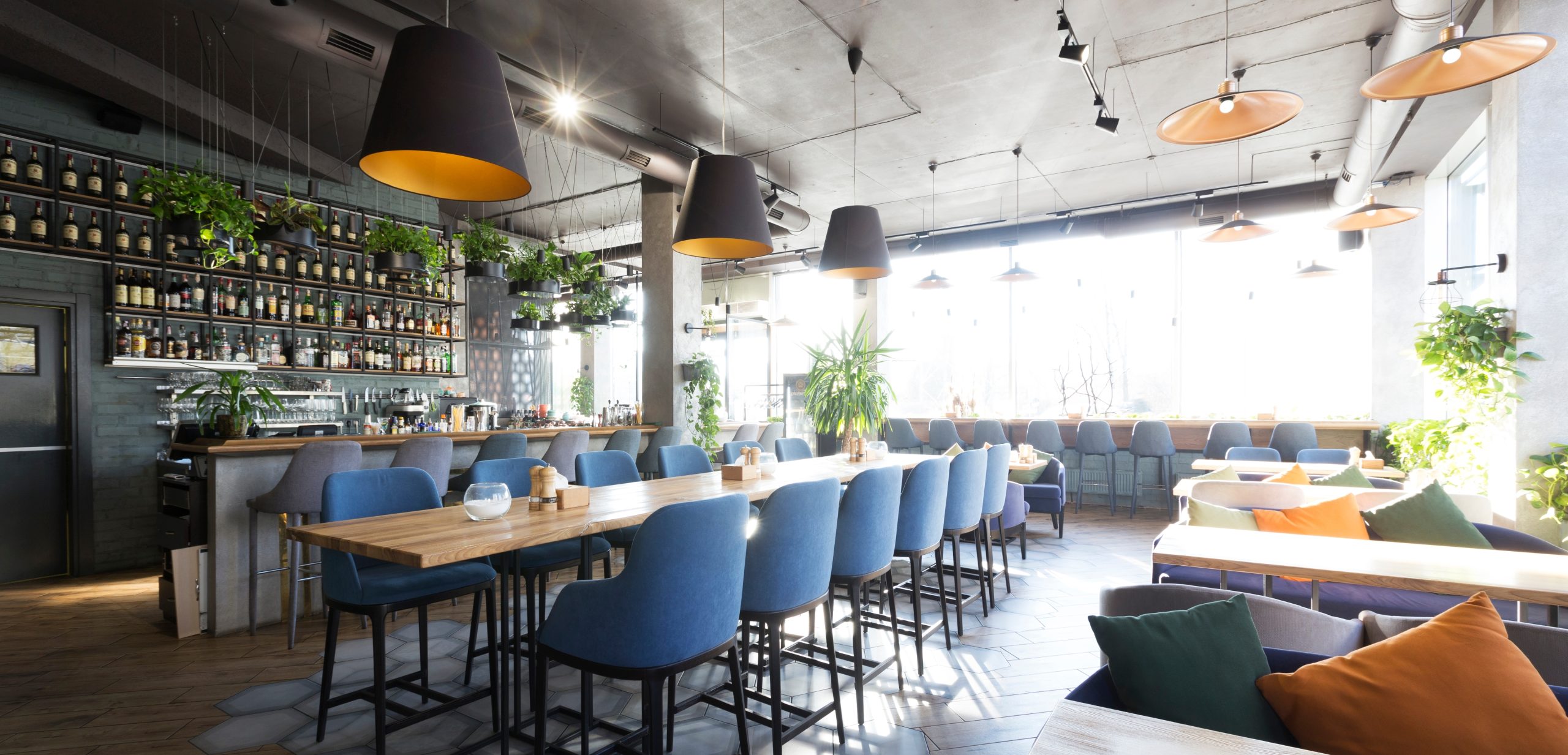
Tea has always had a place in Asian culture. But the way people enjoy it is changing.
Today, you can find tea served as a quick takeaway drink, a sit-down experience, a retail product, or even part of a lifestyle brand. Modern tea bars bring these ideas together. They take familiar tea traditions and present them through contemporary interiors, open preparation areas, thoughtful menus and comfortable spaces.
That makes tea bar interior design an important part of the customer experience. Your space needs to respect where tea comes from while giving customers a reason to stay, explore and come back.
What Is a Modern Tea Bar?
A modern tea bar sits somewhere between a traditional tea house, a café and a takeaway beverage store.
A traditional tea house often focuses on ceremony, heritage and a slower pace. A grab-and-go beverage store, on the other hand, usually focuses on speed and convenience. A modern tea bar can bring both ideas together.
You might see:
- An open counter where customers can watch tea being prepared
- Comfortable seating for customers who want to stay
- Tea leaves, brewing tools or ingredients displayed as part of the interior
- A strong retail identity across the shop, packaging and menu
- Modern equipment alongside traditional tea-making methods
- Spaces designed for both quick visits and longer stays
The result feels less like a simple drink counter and more like a complete tea experience.
Why Asian Tea Culture Is Inspiring a New Kind of Tea Bar
Asian tea culture offers rich traditions, flavours and stories that modern tea brands can reinterpret for today’s customers. Your interior can help connect that heritage with a more contemporary experience.
From Traditional Tea House to Contemporary Social Space
Tea doesn’t have to feel formal. A modern tea bar can give customers a relaxed place to meet, work or enjoy a drink. Warm materials, comfortable seating, open layouts and thoughtful lighting can create this atmosphere while keeping the tea concept clear.
Making Tea Relevant to a Younger Audience
Your tea bar needs to work both in person and online. Build a clear identity through your colours, materials, signage and key visual features. You can also make tea easier to explore through product displays, visible preparation and simple information about your drinks.
Key Elements of Modern Tea Bar Interior Design
Your design should support three things: the product, the customer journey and your daily operations.
- The Tea Bar as the Centrepiece
Your main counter can become the shop’s focal point. Use it to showcase your tea-making process, ingredients, menu or signature drinks. Position it clearly so customers know where to order as soon as they enter.
- Open Tea Preparation
Let customers see parts of the tea-making process. An open counter can make brewing and drink preparation more engaging while showing the care behind your products. Keep equipment, storage and staff areas organised so visibility doesn’t disrupt the workflow.
- Warm, Tea-Inspired Materials and Colours
Timber, stone, ceramics and textured finishes can create a warm, modern setting. Earthy colours can reinforce the tea concept, while accent colours can strengthen your brand. Choose a focused material and colour palette rather than trying to reference tea in every detail.
- Comfortable Dine-In Spaces
If you want customers to stay, give them comfortable places to do so. Choose seating and table sizes that suit your typical customers while keeping enough space for movement. A mix of two-person tables, counters or communal seating can give customers more choice.
- Tea and Product Displays
Tea leaves, brewing tools, ingredients and packaged products can add visual interest while helping customers understand what you offer. Keep displays organised and purposeful, so they support the brand without making the shop feel cluttered.
The “Tea Lab” Concept: Where Tradition Meets Innovation
A tea lab can bring craft, precision and experimentation into a modern tea bar. The idea focuses on the tea-making process rather than creating a literal laboratory look.
Turning Tea-Making Into Theatre
An open brewing counter or visible preparation area can make tea-making part of the customer experience. Use lighting, glass panels or counter design to highlight key parts of the process without exposing every operational area.
Blending Craft With Technology
Combine traditional tea-making knowledge with modern equipment and systems. Specialised brewing tools, temperature controls and digital ordering can support the experience without taking over the space. Keep equipment accessible to staff and show only the elements that add value to the customer experience.
Creating a Sense of Discovery
Give customers simple ways to explore your tea. Displays can introduce different varieties, ingredients and brewing methods, while tastings can encourage them to try something new. Keep the information simple and relevant so it adds to the experience without overwhelming the space.
How to Incorporate Asian Influences Without Over-Theming the Space
You don’t need traditional decorations or obvious motifs to create an Asian-inspired tea bar. Instead, draw from materials, forms, craftsmanship, and spatial details.
Contemporary Interpretations of Traditional Forms
Take cues from tea ware, screens, architecture and traditional craftsmanship. You could reinterpret a screen as a modern partition or use ceramic details around the counter. Keep these references subtle. Modern interpretations can create a stronger identity than literal replicas.
Focus on Materiality Rather Than Decoration
Timber, stone, ceramic, woven textures and detailed joinery can bring Asian influences into a modern interior. Use these materials consistently and pay attention to how they work together. Good detailing can communicate your concept without relying on themed décor.
Designing the Tea Bar Around the Customer Experience
Your customers should find the space easy to understand from the moment they enter.
Ordering and Customer Flow
Make the journey from entrance to ordering, waiting, collection and seating easy to follow. Your team also needs clear routes between the counter, preparation areas, storage and equipment. When you plan both journeys together, you can reduce unnecessary crossings and congestion during busy periods.
Creating Spaces to Stay
If you want customers to spend more time in your tea bar, your seating needs to support that choice.
Think about:
- How long customers typically stay
- How many people usually visit together
- Where queues might form
- How much space staff need to move around
- Where customers can sit without blocking the main circulation path
A good seating plan can make a compact tea bar feel more comfortable without sacrificing operational space.
Memorable Brand Moments
Give customers something they can associate with your brand. This could come from a distinctive counter, a signature material, a unique light fitting, a sculptural feature or an interesting product display. You don’t need several dramatic features. One well-planned moment can carry more impact.
What Can Tea Bar Designers Learn From Modern Asian Tea Brands?
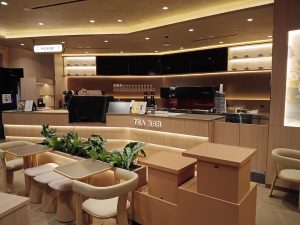
Brands such as CHAGEE show how tea can move beyond the traditional takeaway model and become a broader retail and hospitality experience.
For your own tea bar, the lesson isn’t to copy another brand’s colours, layout or visual style. Look at how successful tea concepts connect their product, branding and physical space.
Ask yourself:
- What should customers understand about your tea when they enter?
- What part of your preparation process deserves attention?
- Do you want customers to leave quickly or stay longer?
- Which materials and details fit your brand story?
- How can your interior make the product easier to understand?
These questions can help you build a concept around your own brand rather than a trend.
Practical Considerations for Tea Bar Interior Design
A strong concept still needs to work as a real F&B space. Before you finalise the look, consider how your team will use the shop every day.
Space Planning and Counter Layout
Plan space for preparation, equipment, sinks, storage, refrigeration, payment and collection. Then work out how seating and customer areas fit around them. Your counter should support the workflow, not just look good from the front.
Materials and Maintenance
Choose materials that can handle this level of use. Consider how easily staff can clean each surface and how you can repair or replace individual elements when needed. Durability doesn’t mean sacrificing style. You can still create a refined interior with practical finishes.
Lighting and Atmosphere
Your preparation and service areas need enough light for staff to work safely and accurately. At the same time, softer lighting can help create a more relaxed environment around seating areas. You can also use lighting to highlight your counter, products, signage or key design features.
Designing for Takeaway and Dine-In Customers
Takeaway customers want a clear, efficient route. A dine-in customer may want comfortable seating and a slower pace. Your layout needs to support both without letting queues spill into seating areas or customer traffic interfere with staff movement.
The Future of Tea Bar Interior Design
Modern tea bars are finding new ways to connect with customers.
Instead of choosing between traditional tea culture and modern retail design, you can bring the two together. Your space can celebrate tea’s heritage while offering the convenience, comfort and visual identity today’s customers expect.
The strongest concepts will likely focus on more than appearance. They’ll connect culture, craft, hospitality and everyday operations in one clear experience. That’s where thoughtful tea bar interior design can make a real difference.
Conclusion
Your tea bar should give customers more than a place to buy a drink. It should help them understand your brand, enjoy the product and feel comfortable in the space.
Start with your tea concept and customer experience. Then build your layout, materials, lighting, preparation areas and brand features around them.
At P&A Link, we bring design and practical project execution together for commercial and F&B spaces. We consider the customer journey, operational workflow, materials and brand experience as part of the same interior design process. If you’re planning a new tea bar or upgrading an existing space, we can help you turn the concept into a functional commercial interior.
Frequently Asked Questions
What makes a good tea bar interior design?
A good tea bar balances brand identity, customer comfort and daily operations. Your layout should make ordering and collection easy while giving staff enough room to prepare drinks and access equipment. Materials, lighting and visual details should then support the overall tea experience.
How long does a tea bar renovation take?
The timeline depends on the size and condition of your unit, the design scope, authority requirements, materials, custom work and construction needs. A new build and a refresh of an existing tea bar can also require different timelines. We recommend discussing the project scope early so you can plan the design and construction stages properly.
Can you renovate a tea bar in a shopping mall or commercial unit?
Yes. However, your project needs to account for the requirements of the building, landlord and relevant authorities. These can affect areas such as operating hours, submissions, construction access, signage, services and renovation works. Early coordination can help you identify these requirements before construction starts.
Will the tea bar design consider equipment and operational workflow?
It should. Your equipment, preparation areas, sinks, storage, refrigeration, and service counters all affect how your team works. We consider these practical requirements alongside customer flow and the overall design concept when planning F&B interiors.
Do you provide 3D renders before construction begins?
3D visualisations can help you understand the proposed space before construction starts. Depending on your project scope, they can show elements such as the layout, materials, lighting, furniture and key design features. Your project team can then use the approved design as a reference during the next stages of the project.